NOW AVAILABLE: Essentials of Poltical Analysis 7e | R Companion 4e | SPSS 7e | Stata 5e | Excel 1e 🎵
NOW AVAILABLE: Essentials 7e | R Companion 4e | SPSS 7e | Stata 5e | Excel 1e 🎵
NOW AVAILABLE: Essentials 7e | More Textbooks 🎵

Populism

Populism
Cluster: Abstract Concepts
Political science concepts and theories.
Tagged articles: 8
Aliases
nationalist populism
Related in Abstract Concepts
#MeTooAccountabilityAffective PolarizationAgenda SettingAlliancesAuthoritarianismCampaign FinanceCandidate SelectionCensorshipcivil rightscivil societyClientelismCoalition FormationCollective ActionComparative Advantageconspiracy theoriesCorruptionDecentralizationDeliberationDemocracyDemocratic AccountabilityDemocratic PeaceDemocratizationDescriptive RepresentationDirect DemocracyDivided GovernmentEconomic VotingElectoral AccountabilityElectoral CompetitionElectoral GeographyElectoral IncentivesEthnic IdentityExecutive ApprovalFederalismFramingGame TheoryGenderGender DifferencesGlobalizationHousing PolicyHuman RightsIdeal PointsIdentity PoliticsImmigration PolicyIncome InequalityIncumbency AdvantageInequalityInterest Groupsjudicial selectionLegislative BehaviorLegitimacyMeasurement ErrorMedia EffectsMotivated ReasoningNational IdentityNormsPartisanshipParty CompetitionParty DisciplineParty OrganizationPolicy DiffusionPolicy FeedbackPolicy PreferencesPolitical IdeologyPolitical KnowledgePolitical ParticipationPolitical PolarizationPolitical RepresentationPolitical TrustPolyarchyPopulismPrincipal-Agent Relationshipproperty rightsProportional RepresentationProsocial BehaviorPublic GoodsPublic Opinionpublication biasracismRational Choice TheoryRedistrictingRepresentationrepresentation theoryRepressionResource CurseRetrospective VotingRisk Aversionrule of lawSelection BiasSelective Exposureseparation of powersSignalingSkin Tonesocial capitalSocial Identity TheorySocial NetworksSocial PolicySoft PowerSpatial VotingState CapacitySubstantive Representationtransitional justiceTransparencyUrban-Rural DifferencesVoter BehaviorVoter PerceptionVoter PreferencesVoter TurnoutWelfare State
Articles Tagged "Populism"
Methodology
How acquiescence bias can distort agree–disagree survey measures
Article summary

Many political scientists measure dispositions—like populism, conspiracism, racism, and sexism—using agree/disagree statements, but that format can produce acquiescence bias that inflates endorsement rates. This article asks how acquiescence affects criterion validity and evaluates common remedies. Drawing on 160 tests and an internal meta-analysis, the authors examine how bias changes estimated relationships between constructs and assess balanced scales and measurement models as potential solutions. They end with design advice and recommendations for redesigning several popular measures of political and psychological dispositions.


Comparative Politics
Ottoman vs. Kemalist nostalgia: Contrasting effects on Turkish populism
Article summary

This article examines how collective nostalgia interacts with populism in Turkey.

European Politics
How Lost Territories Fuel Support for Nationalist Populists
Article summary

This paper highlights the overlooked role of prior grievances from historical territorial loss as a significant factor behind support for nationalist populist parties. While not essential for the emergence of nationalist populism, territorial loss uniquely aligns with the backward-looking victimization framing that helps these parties win votes.

Methodology
How Populist Are Parties? New Machine Learning Scores From Manifestos
Article summary

Comparative research on populism faces a core difficulty: measuring degrees of populism across many parties and countries over time. Textual analysis helps with this task, and automated tools can make measurement scalable and timely. This article introduces a supervised machine-learning approach that converts national party manifestos into a continuous score of party-level populism.

Comparative Politics
Testing Canovan’s claim that democracy’s faces produce populism
Article summary

This paper tests Margaret Canovan’s influential argument that populism emerges from a tension between what she called democracy’s pragmatic and redemptive faces. Using cross-national survey evidence, the authors evaluate whether indicators of pragmatic politics reduce (or increase) support for populist parties and movements, offering one of the first empirical assessments of Canovan’s theoretical claim.

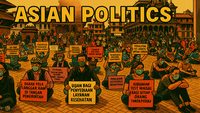
Asian Politics
Populist Surge in Anti-Drug Campaigns: The Unintended Role of Local Outsiders
Article summary

Headline:\nHow did Duterte's anti-drug campaign succeed despite its controversial methods? New research shows local political outsiders amplified the movement through anti-Muslim rhetoric, dramatically altering drug policy discourse.\n\nThe Puzzle: While Duterte’s tough stance on drugs was initially met with resistance, his administration achieved significant legislative and enforcement victories against illicit substances in the Philippines. This apparent contradiction—populist appeal versus institutional success—is puzzling given the campaign's harsh measures raised ethical concerns internationally.\n\nThe New Angle: \"Deadly Populism\" reveals that rather than stemming from Duterte himself, this momentum was largely fueled by local politicians outside established institutions. These outsiders strategically employed potent anti-drug narratives targeting Muslim communities to drive public support and legislative change.\n\nHow They Did It? Using a mixed-methods approach combining qualitative interviews with political elites alongside quantitative survey data collected across multiple regions in the Philippines, we tracked how populist rhetoric shifted from broad social welfare appeals toward religiously charged anti-drug discourses involving Muslims. Our findings show that this shift occurred systematically through legislative and enforcement reforms between 2016-2020—more than a year after Duterte launched his signature campaign slogan.\n\nKey Findings: \n• Local political outsiders proved more effective messengers for anti-drug rhetoric than established politicians\n• Anti-Muslim messaging significantly amplified the otherwise divisive drug war message into a cross-community issue\n• This populist strategy helped override institutional resistance to Duterte’s initial crackdown proposals\n• The effect was particularly pronounced in areas with high Muslim populations and strongman political traditions\n\nWhy It Matters: These findings suggest that understanding contemporary Filipino populism requires attention not just to charismatic leaders but also to the enabling role of local actors who strategically amplify populist appeals. This network-level perspective adds crucial nuance to studies about how democratic institutions interact with illiberal governance in Southeast Asia.

European Politics
Globalization and Automation Fuel Rise of Right-Wing Populism in Europe
Article summary

This study investigates the impact of economic globalization (specifically trade flows) and technological change (automation) on voting behavior across 15 Western European democracies from 1990 to 2018. It finds that increased international trade strengthens support for right-wing populist parties, while automation boosts backing for extreme right parties. The abstract highlights three key findings:

European Politics
Core Values Fuel Populist Appeal Across 13 European Democracies
Article summary

This study examines how fundamental human values—like fairness, security, and authority—predict support for populism in diverse democratic contexts.