
FIND DATA: By Journal | Sites   ANALYZE DATA: Help with R | SPSS | Stata | Excel   WHAT'S NEW? US Politics | IR | Law & Courts🎵
   FIND DATA: By Journal | Sites   WHAT'S NEW? US Politics | IR | Law & Courts🎵
WHAT'S NEW? US Politics | IR | Law & Courts🎵
If this link is broken, please
You can also
(will be reviewed).

Windfalls Free Citizens' Accounts: A Public Awareness Test

IndonesiaWindfall RevenueTaxesAnti-Incumbent ActionGovernment AccountabilityPolitical Behavior@APSR3 Stata files1 datasetDataverse
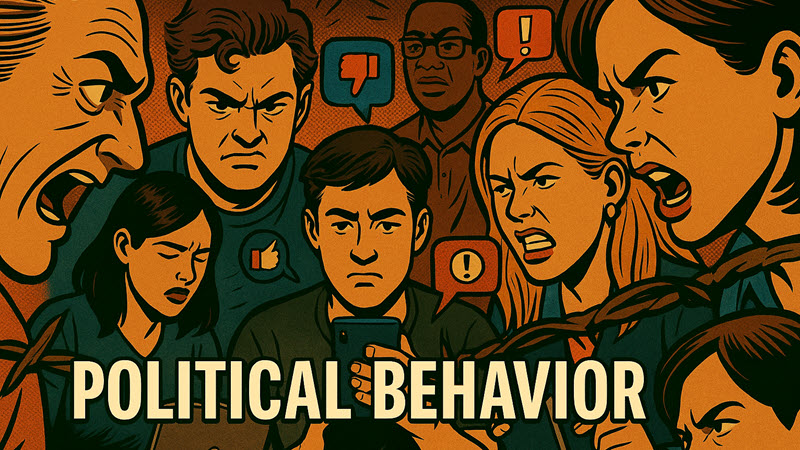
Political Behavior subfield banner

Does government revenue affect political behavior? This field experiment tested how windfall revenue versus tax treatment influences citizen monitoring of public spending.

Methods and Context: Citizens in Indonesia received messages either announcing a budget surplus or mentioning the country's recent oil revenues.

The study finds that political action changes with information, but not necessarily with the source of revenue. When given transparency about government finances, citizens in both the windfall and tax groups became equally concerned about misuse.

Key Findings:

* Citizens react strongly to spending information regardless of whether it's framed as a budget surplus or oil revenues.

* The framing effect disappears when people have access to relevant financial information.

* Both types of revenue can motivate anti-incumbent action if citizens are properly informed.

This research demonstrates that revenue type alone does not determine political behavior, highlighting the crucial role of information transparency and public awareness campaigns in shaping citizen oversight.
Article card for article: Keeping the Public Purse: An Experiment in Windfalls, Taxes, and the Incentives to Restrain Government.
Keeping the Public Purse: An Experiment in Windfalls, Taxes, and the Incentives to Restrain Government. was authored by Laura Paler. It was published by Cambridge in APSR in 2013.
Find on Google Scholar
Find on Cambridge University Press
American Political Science Review

