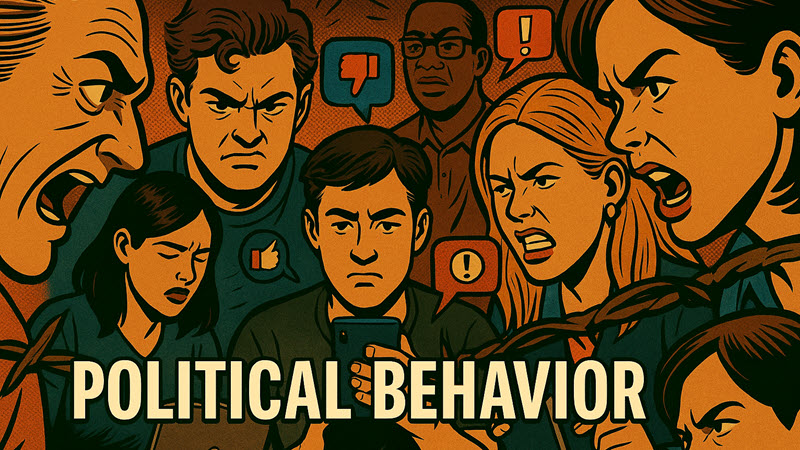
Why This Question Matters
Collective victimhood beliefs—shared memories or narratives that a group has been wronged—are widely invoked in war, mass violence, and transitional justice debates. Marko Kljajic, Nadav Shelef, and Ethan vanderWilden ask how those beliefs shape people's conflict-related attitudes: do they push groups toward more hostility and exclusion, or can they facilitate reconciliation?
How the Authors Define Collective Victimhood
The article distinguishes two forms of collective victimhood. Non-inclusive victimhood frames past harm as a source of exclusive grievance and boundary-strengthening vis-à-vis outsiders; inclusive victimhood frames suffering in ways that recognize broader humanity or shared experiences across groups. These conceptual distinctions matter because they imply different emotional and cognitive responses to intergroup conflict.
Scope and Methods
The authors conduct a systematic meta-analysis of 745 estimates drawn from 103 published articles to quantify the relationship between collective victimhood beliefs and a set of conflict-related outcomes. Outcomes assessed include hawkishness (support for aggressive policies), willingness to reconcile, support for out-group exclusion, and in-group attachment. The meta-analysis also examines links to intermediary emotions and cognitive perspectives and compares findings from observational versus experimental designs.
Key Findings
Implications for Scholars and Practitioners
The findings suggest that not all appeals to a group's suffering have the same political effects: narrative framing that renders victimhood inclusive may reduce support for conflict and exclusion, whereas exclusivist framings may amplify them. For researchers, the results underscore the value of distinguishing subtypes of collective victimhood; for policymakers and peacebuilders, they highlight narrative framing as a potential lever in conflict mitigation.
| Collective Victimhood Beliefs and Conflict-related Attitudes: A Meta-analysis was authored by Marko Kljajic, Nadav Shelef and Ethan vanderWilden. It was published by Sage in CPS in 2025. |