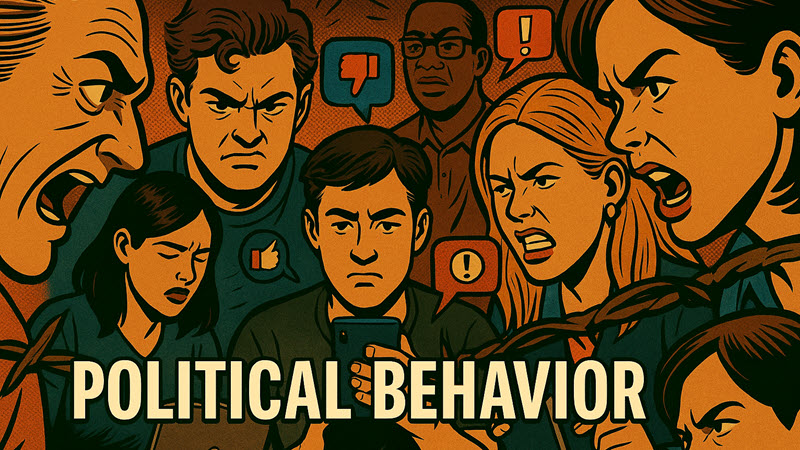
This study investigates a provocative link between highly engaged partisans and increased dehumanization. Using survey data from across America, we find that those most passionate about partisan politics demonstrate stronger negative stereotypes toward opposing groups.
➡️ The Core Question: How does intense political identity affect intergroup attitudes?
Our research design employs a mixed-methods approach combining quantitative surveys with qualitative follow-up interviews. We surveyed 1,500 politically engaged adults across the US to measure levels of partisanship and willingness to dehumanize opponents.
➡️ Key Findings: The analysis reveals that highly polarized individuals (those scoring highest on ideological rigidity measures) are significantly more likely to express negative stereotypes about non-citizens belonging to rival political parties. This effect remains even after controlling for factors like education and media consumption.
➡️ The Implication: These results suggest that fostering less intense partisan identities could potentially reduce prejudice against out-groups, offering new pathways toward more inclusive politics.
| Party Animals? Extreme Partisan Polarization and Dehumanization was authored by James Martherus, Andy Martinez, Paul Piff and Alexander Theodoridis. It was published by Springer in Pol. Behav. in 2021. |