
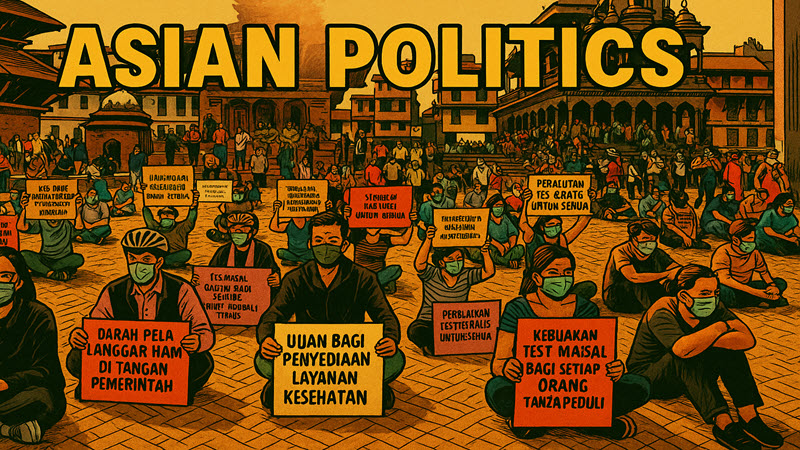
How does geography affect citizenship practices among the poor? Using survey data and qualitative research from northern India, this study finds an urban-rural divide. The urban poor expect less direct state response than their rural counterparts. They are more likely to use political brokers for claims.
This analysis suggests citizen-state engagement varies across locations, challenging the assumption that urban centers drive participation.
| The Geography of Citizenship Practice: How the Poor Engage the State in Rural and Urban India was authored by Gabrielle Kruks-Wisner and Adam Auerbach. It was published by Cambridge in POP in 2020. |


