
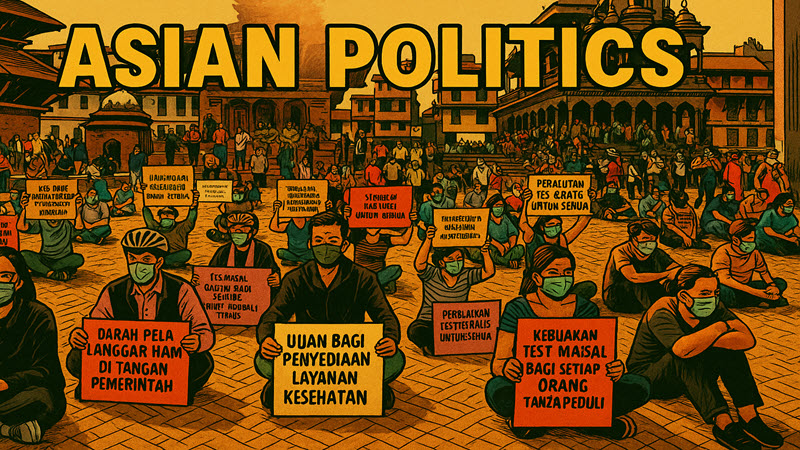
Political parties shape nationalism differently across democracies and autocracies.
Democratic Japan: Party supporters actively demand hawkish foreign policy if they are nationalist. Leaders face pressure to appease these voters during protests.
Autocratic China: Elite insiders within the ruling party show less responsiveness to nationalist displays, potentially dampening conflict-prone behavior.
The Contrast: This suggests democratic institutions might unintentionally encourage nationalism-driven international tensions through supporter accountability mechanisms.
| Hawkish Partisans: How Political Parties Shape Nationalist Conflicts in China and Japan was authored by Daniel Mattingly, Trevor Incerti, Frances Rosenbluth, Seiki Takana and Jiahua Yue. It was published by Cambridge in BJPS in 2021. |


