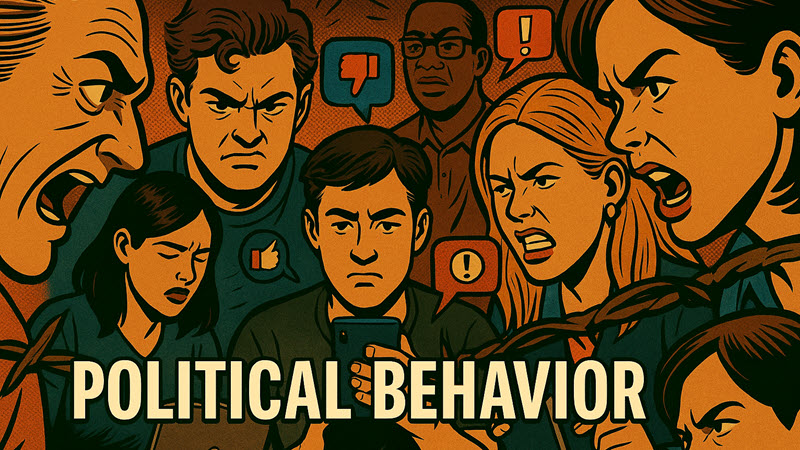
Why Responses to Repression Matter?
Sangyong Son asks how the immediate choices people make in the face of state repression—ranging from non-resistance to active resistance—shape their long-term political attitudes and behaviors. The study reframes the legacy of repression as contingent on those initial responses, arguing that both selection into resistance and learning acquired through participation produce heterogeneous and durable effects on political engagement.
Mixed-Methods: Surveys, Lab Experiments, Interviews, Career Tracking
The paper uses a deliberately mixed-methods research design to trace both patterns and processes. Methods include:
What Son Finds
Why This Matters for Political Science
By shifting attention from repression's immediate costs to the downstream consequences of how people respond, Son's study nuances theories of state repression, mobilization, and political socialization. The findings highlight mechanisms—skill acquisition and psychological change—that help explain durable activist trajectories and suggest that policy and scholarship should distinguish between the effects of repression itself and the long-term imprint of resistance participation.
| Legacy of Resisting State Repression was authored by Sangyong Son. It was published by Sage in CPS in 2025. |