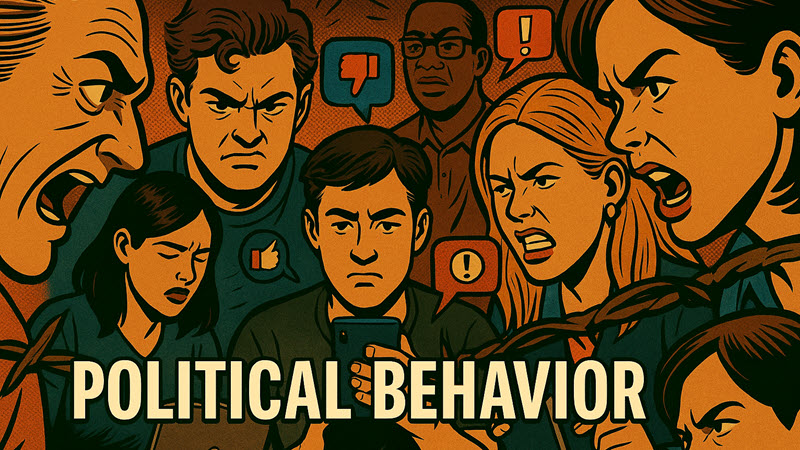
Why Doctor-Patient Trust Matters
The paper by Neil O'Brian links growing health differences across partisan lines to changes in how people trust and follow advice from their own personal doctors. It starts from a long-run puzzle—age-adjusted mortality rates diverged between Republican and Democratic counties in the early decades described in the paper—and asks whether partisan identity now shapes whether patients trust physicians and seek care, even for non-COVID conditions.
Why Doctor-Patient Trust Might Turn Partisan
O'Brian argues that a health-care relationship once largely insulated from politics has been reshaped by partisan conflict around COVID-19. That conflict, he contends, spilled over from national debates into patients' assessments of their personal doctors, producing a partisan cleavage: Democrats tend to report higher trust and greater adherence to medical advice, while Republicans report lower trust and are less likely to follow care recommendations.
What the Study Does
Key Findings
Why This Matters
If partisanship shapes trust and adherence in routine doctor–patient relationships, the spillover can undermine treatment, preventive care, and efforts to reduce mortality gaps across communities. The findings highlight a potential mechanism by which political polarization translates into health disparities and point to the importance of depoliticizing clinical interactions and designing interventions that restore trust across partisan lines.
| Partisanship and Trust in Doctors: Causes and Consequences was authored by Neil A. O’Brian and Thomas Bradley Kent. It was published by Cambridge in BJPS in 2025. |