
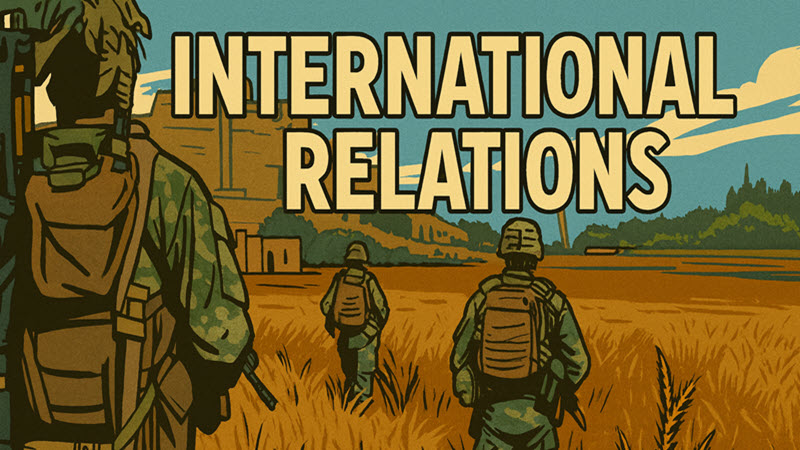
Why Governments Closed Borders?
Catherine Worsnop investigates a striking global pattern from the COVID-19 pandemic: despite early World Health Organization advice against them, governments around the world widely adopted international border restrictions—quarantines, entry bans, and import controls—that disrupted economies but offered limited public-health benefit. Drawing on historical precedents (cholera, HIV/AIDS, H1N1, Ebola), Worsnop frames the puzzle as a political one: why would states choose measures that often fail to stop disease but appear to reassure domestic audiences?
What Is “Security Theatre”?
Worsnop adopts the term security theatre—“measures that provide not security, but a sense of it”—to capture policies that signal protection more than they deliver it. The article treats border restrictions as potentially performative tools that governments can deploy to associate disease with foreigners and demonstrate decisive action to skeptical publics.
Cross-National Data and U.S. Case Study
Key Findings
What This Means for Global Health Cooperation
The findings suggest political incentives—not just scientific guidance—shape states’ choices during pandemics. Reducing the appeal of security theatre or channeling it toward genuinely effective measures could improve prospects for international cooperation and better public-health outcomes in future global health emergencies.
| International Border Restrictions During Covid-19 as Global Health Security Theater was authored by Catherine Z. Worsnop. It was published by Cambridge in BJPS in 2025. |


