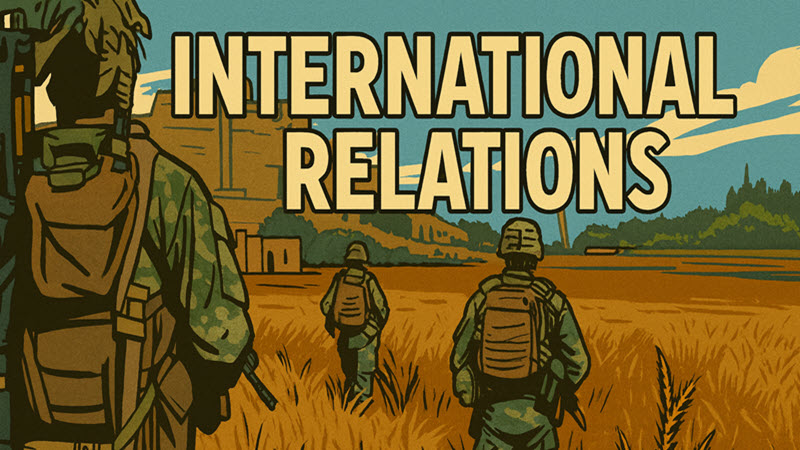
Governments benefit from a structural advantage in civil wars: the ability to make credible international commitments that shape other states' behavior. These foreign-policy bargains can both attract military support for governments and deter aid to rebels.
🔎 What Was Analyzed (1975–2017)
An analysis of international intervention in civil conflicts between 1975 and 2017 examines how different alliance commitments influence whether and how states intervene on behalf of governments or rebels. Intervention is assessed across a range of support types, including:
📌 Key Findings
⚖️ Why This Matters
The findings show that international security commitments shape domestic outcomes as well as interstate relations. Understanding alliance content and commitments is therefore crucial for interpreting both civil-war dynamics and alliance politics: alliances can actively protect the domestic status quo by altering the incentives for foreign support to governments and rebels.
| Alliances and Civil War Intervention was authored by Jesse C Johnson, Brett Ashley Leeds and Burcu Savun. It was published by Oxford in ISQ in 2024. |