
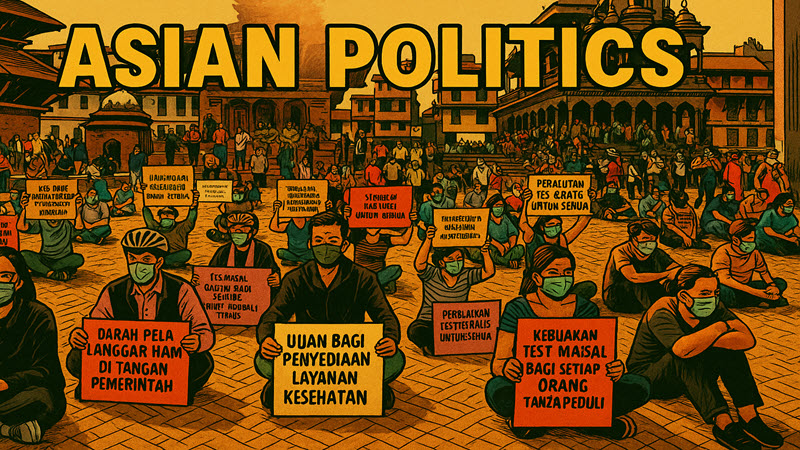
📚 What Was Tested
Ongoing global debates over statues, street names, symbols, and textbooks raise questions about how different historical representations shape political life. Theoretical expectations hold that inclusive (and, conversely, exclusive) historical portrayals can alter marginalized group members’ sense of centrality to the nation, their entitlement to speak for it, and their likelihood of seeking leadership.
🧪 How the evidence was gathered
🔎 Key findings
⚖️ Why this matters
Battles over history and textbook content can have concrete political consequences: shaping who feels entitled and willing to lead and influencing the public’s demand for marginalized-group leaders. Such curricular and symbolic debates therefore matter not only for memory and identity, but for political recruitment, representation, and group empowerment.
| My History or Our History? Historical Revisionism and Entitlement to Lead was authored by Nicholas Haas and Emmy Lindstam. It was published by Cambridge in APSR in 2024. |


