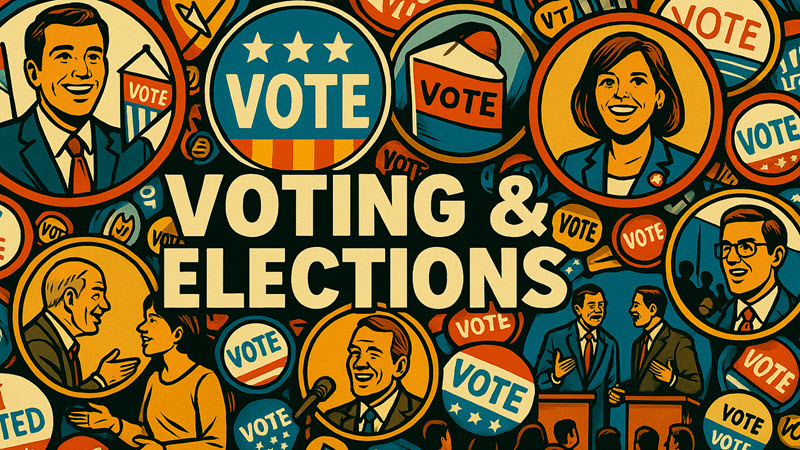
How does media coverage shape voter beliefs? We know from prior studies that voter fraud is extremely rare, yet it remains a potent topic in political discourse. This research investigates how exposure to media reports about voter fraud affects public perceptions. By combining the 2012 Survey of Performance of American Elections with state-level media analysis data, we find strong connections between media attention and belief formation.
Media Exposure & Public Beliefs
States frequently covered in news outlets show higher levels of public concern regarding voting irregularities.
Methodology Insights
Our analysis tracks the relationship between press coverage and partisan views across U.S. states during the 2012 election period.
Other Factors Don't Explain Differences
We find no evidence that demographic shifts, attitudes toward election management, or awareness of actual reported cases influence these findings.
| How Local Media Coverage of Voter Fraud Influences Partisan Perceptions in the U.S. was authored by Adriano Udani, David Kimball and Brian Fogarty. It was published by Sage in SPPQ in 2018. |