
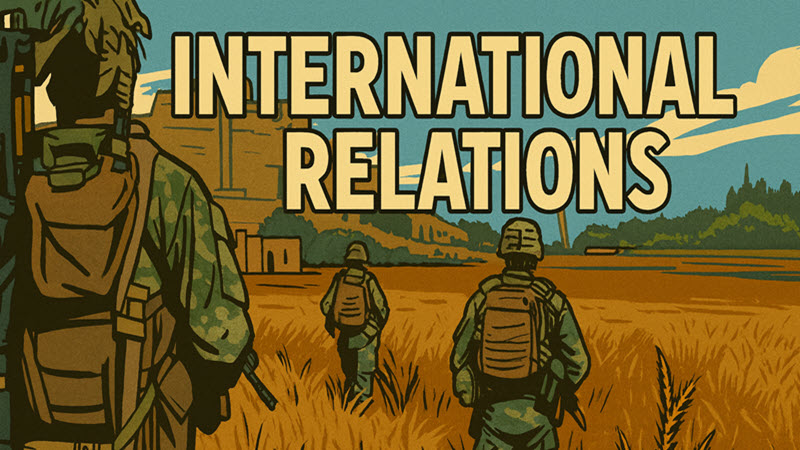
Dyadic Politics: Examines how political dynamics in two-party systems shape conflict and war decisions.
The study explores the relationship between elite decision-making processes within dyadic (two-party) political systems—particularly focusing on democratic nations—and public opinion regarding war. It argues that specific institutional arrangements, such as prolonged coalition negotiations, can significantly alter citizens' perceptions of national security threats.
Elite-Citizen Disconnect: Finds a notable gap between elite assessments and citizen understanding during times of geopolitical tension.
The research reveals that when governing elites face difficulties reaching consensus (often quantified through specific indicators like legislative gridlock), citizens tend to develop stronger beliefs in existential security threats. This phenomenon, termed the 'accountability gap', suggests that political processes themselves can mobilize public support for military action.
War Mobilization: Demonstrates how institutional conflict resolution failures translate into mass political support for aggressive policies.
| Dyadic Conflict: Elites, Citizens, and War was authored by Kristopher Ramsay and Colin Krainin. It was published by Chicago in JOP in 2022. |


