
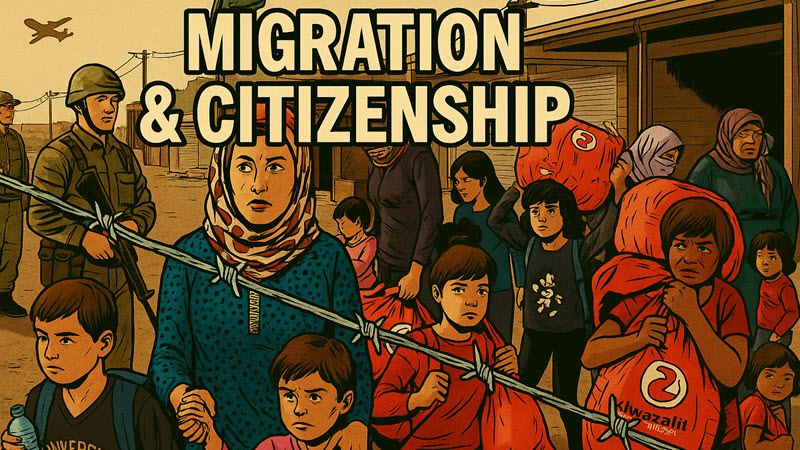
This article examines persistent misconceptions linking refugees to terrorism through three prominent narratives: Trojan horse, copycat, and scapegoat. Using quantitative methods and data from multiple international sources, it systematically evaluates the validity of these claims.
Data & Methods
Drawing on large-scale survey data and counterterrorism statistics from over twenty countries across five continents, this research employs rigorous statistical techniques to analyze causal relationships between refugee populations and terrorism incidents.
Key Findings
Why It Matters
The findings challenge dominant public narratives that policymakers often uncritically repeat. This has profound implications for:
| Trojan Horse, Copycat, or Scapegoat? Unpacking the Refugees-Terrorism Nexus was authored by Julian Wucherpfennig and Sara M.T. Polo. It was published by Chicago in JOP in 2022. |


