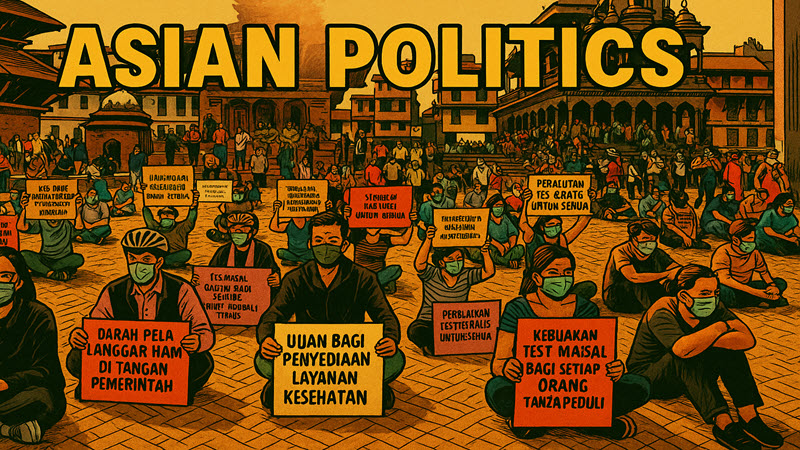
Ending civil wars often brings large aid surges. But this help can unexpectedly fuel violent conflict.
Aid & Peacebuilding: Development aid increases in countries after major conflicts end, but we must look beyond national averages to understand its impact.
What We Found: Using geo-coded data and village-level analysis of social unrest in Nepal, our research shows that aid often causes short-term spikes in violence against non-state actors. This effect is strongest in ethnically fractionalized villages with weak local state institutions. Detailed statistical models confirm these patterns clearly across different contexts.
Why This Matters: These findings suggest a crucial lesson for postwar peacebuilding efforts: well-intentioned development aid may backfire if not carefully matched to specific local conditions, particularly when institutional strength is low or ethnic divides are deep.
| Heterogeneous Effects of Development Aid on Violent Unrest in Postwar Countries: Village-Level Evidence from Nepal was authored by Alexander De Juan. It was published by Oxford in ISQ in 2019. |