Why This Question Matters
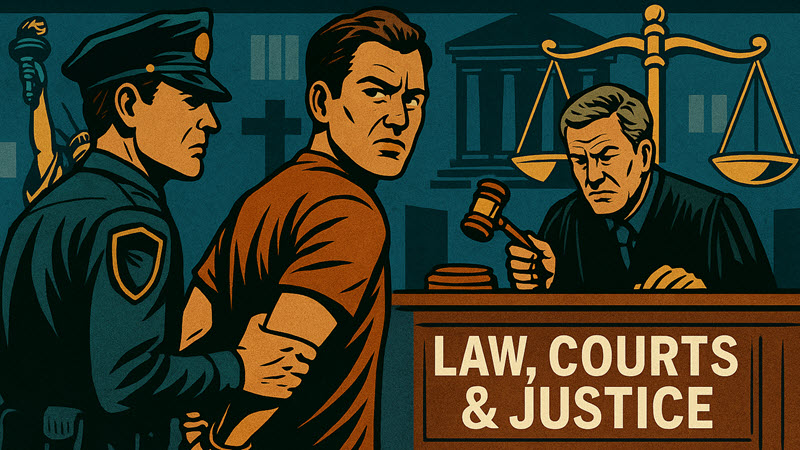
Casey Delehanty, Jack Mewhirter, Ryan Welch, and Jason Wilks investigate whether giving military equipment to local police is associated with more violent policing. The debate over “militarized policing” has grown alongside high-profile officer-involved shootings; this paper tests whether receipt of surplus military gear is tied to greater civilian harm.
How Militarization Might Change Police Behavior
The authors argue that transfers of military equipment increase multiple dimensions of law-enforcement militarization—material (weapons, vehicles), cultural (attitudes and symbols), organizational (structures and chains of command), and operational (tactics and deployment). Those shifts, the theory holds, can change how officers perceive threats and when they use force.
What the 1033 Program Does
The U.S. Department of Defense’s 1033 program makes excess military equipment available to local law-enforcement agencies (LEAs). Variation in the amount and type of equipment transferred across jurisdictions provides the authors with leverage to examine whether greater transfers are associated with more violent outcomes.
Data and Methods
Key Findings
Why Readers Should Care
These findings speak directly to policy debates about whether federal programs that funnel military equipment to local police have unintended consequences for public safety. By connecting equipment transfers to officer-involved shooting fatalities, the study contributes empirical evidence to ongoing discussions about oversight, restrictions, and alternatives to militarized gear in American policing.
| Militarization and Police Violence: The Case of the 1033 Program was authored by Casey Delehanty, Jack Mewhirter, Ryan Welch and Jason Wilks. It was published by Sage in R&P in 2017. |