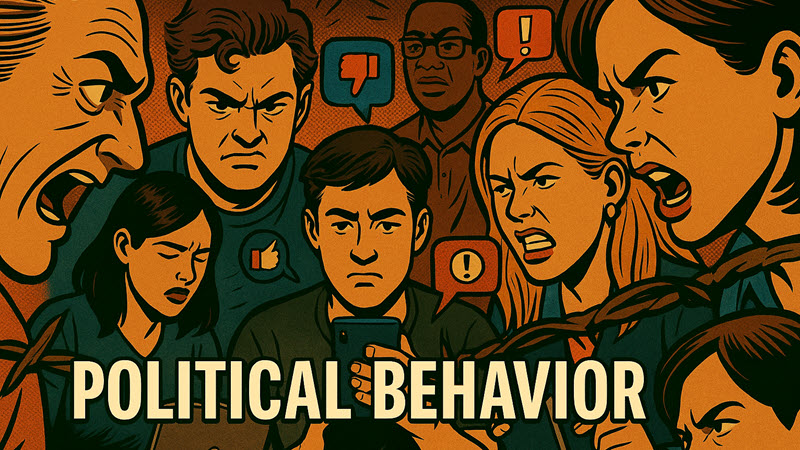
This study examines how terminology affects attitudes toward gays and lesbians.
Methodology: A survey experiment manipulated question wording with different descriptors (person vs sexuality construct) and terminology types (colloquial vs clinical). The analysis included feeling thermometer scores.
Key Findings: Respondents rated personal terms more positively than clinical ones, suggesting a person-positivity bias. However, despite using only clinical terminology, the study found evidence for this bias.
Implications: Survey researchers must consider wording effects on responses. Yet these impacts are not universal and generally smaller than differences based on social/political backgrounds.
| Person-Positivity Bias, Social Category Labels, and Attitudes toward Gays and Lesbians was authored by Katherine McCabe. It was published by Sage in R&P in 2019. |