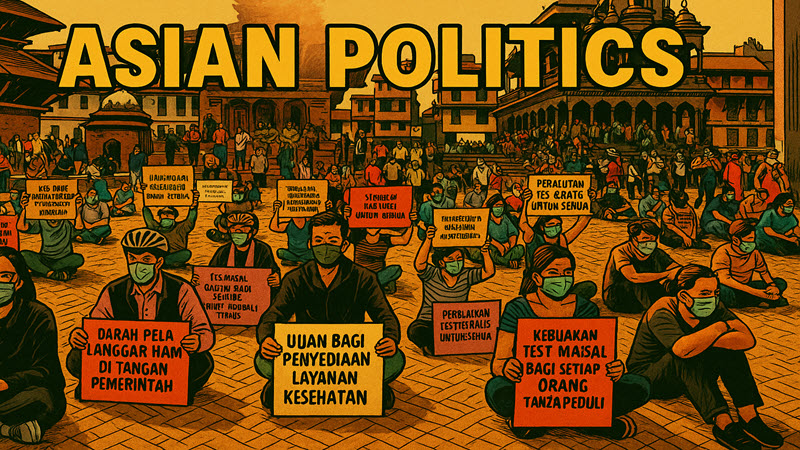
Existing theories about the relationship between secular governance and religious conflict are unclear. Militants might target areas electing secularists, yet politicians could face electoral pressures to reduce attacks.
Data & Methods: We analyze constituency-level election returns (1988-2011) with event data on Pakistan's Islamist and sectarian violence.
Identification Strategy: Comparing districts where secular parties narrowly won or lost elections reveals a key finding.
Key Insight: Secularist rule significantly reduces local religious conflict. This effect arises from electoral pressures targeting core supporters rather than politician selection, as evidenced by regression discontinuity analysis.
Mechanism Highlight: The reduction appears concentrated in regions with stronger police presence, demonstrating the crucial role of state capacity in managing religious disorder.
| Secular Party Rule and Religious Violence in Pakistan was authored by Gareth Nellis and Niloufer Siddiqui. It was published by Cambridge in APSR in 2018. |