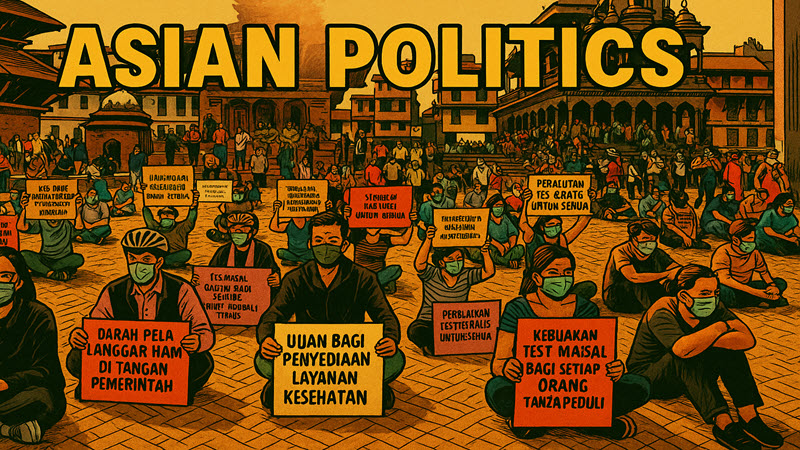
Contrary to popular assumptions that poverty drives support for militant groups, a new study shows poor Pakistanis often dislike extremists more than the middle class. Using data from a 6,000-person national survey measuring affect toward four major militant organizations, researchers mitigate social desirability biases by capturing respondents' emotions rather than direct stances.
🔍 Research Design
A nationally representative survey of 6,000 Pakistanis measured participants’ emotional responses (like or dislike) toward key militant groups
✅ Key Measurement Advance
Capturing affect avoids social desirability bias and item nonresponse issues common in previous studies on militancy
📊 Urban Poor Contrast
Pakistan's urban poor were found to be less supportive of militants than middle-class citizens, challenging the poverty-as-root-cause narrative
💥 Exposure Effect
The effect was strongest among those living near areas with high exposure to violent incidents and terrorist attacks
🔄 Theory Revision
This finding suggests long-held arguments linking militant support directly to income levels may require substantial rethinking
| Poverty and Support for Militant Politics: Evidence from Pakistan was authored by Graeme Blair, C. Christine Fair, Neil Malhotra and Jacob N. Shapiro. It was published by Wiley in AJPS in 2013. |