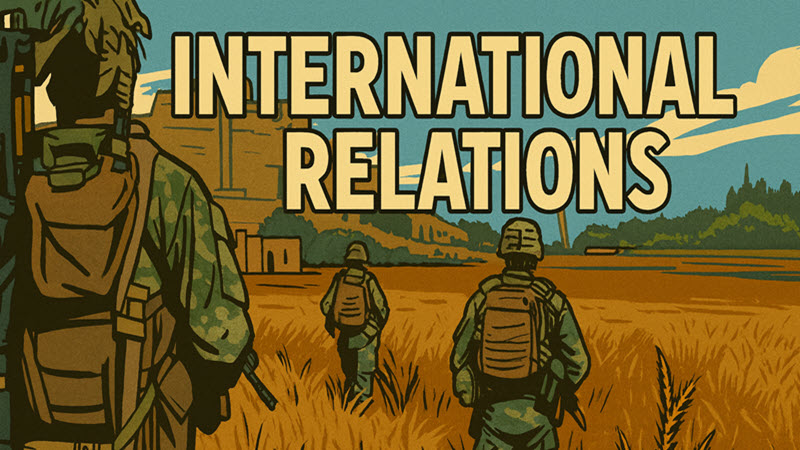
Civil conflict leaders face powerful incentives to avoid punishment.
Incentive Avoidance Strategy
This article argues that rebel and state leaders' decisions during war are influenced by their desire to escape post-war consequences.
Leaders must contend with potential backlash from domestic audiences and their adversaries.
Following poor performance, those responsible for the conflict have heightened fears of both forms of punishment.
To mitigate these risks, they push aggressively toward decisive victories rather than negotiated settlements.
Original Data Insight
Using an original dataset (UCDP/CW) tracking all rebel/state leader dyads from 1980-2011 provides the necessary granularity for analysis.
This comprehensive approach allows robust testing of theoretical propositions across diverse conflict contexts.
Regression Findings
The hypothesized relationships between leadership responsibility and war outcomes are statistically supported:
| Leader Incentives and Civil War Outcomes was authored by Alyssa Prorok. It was published by Wiley in AJPS in 2016. |