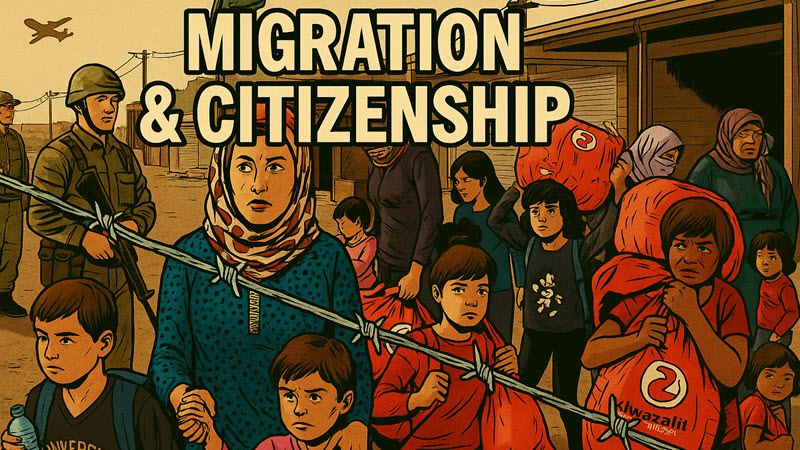
When do displaced persons return home after conflict? Drawing on labor migration theories, this analysis shows that positive feelings toward original locations don't always motivate permanent return. Economic opportunities often determine whether displaced individuals become regular visitors or remain in host communities.
The study focuses on postwar migration among Lebanese Christians affected by 1980s ethnic conflicts. We demonstrate how exogenous price shocks to olive oil, a key local export, create measurable economic conditions that shape return decisions. Displaced persons may avoid returning even if emotionally attached, due to negative feelings toward their perpetrators.
Key findings reveal:
Policy implications suggest that transitional justice efforts should consider the economic realities of host communities. Our results highlight how supporting displaced persons where they are located could improve outcomes.

| When Do Displaced Persons Return? Postwar Migration Among Christians in Mount Lebanon was authored by Kara Ross Camarena and Nils Hägerdal. It was published by Wiley in AJPS in 2020. |