FIND DATA: By Journal | Sites   ANALYZE DATA: Help with R | SPSS | Stata | Excel   WHAT'S NEW? US Politics | IR | Law & Courts🎵
   FIND DATA: By Journal | Sites   WHAT'S NEW? US Politics | IR | Law & Courts🎵
WHAT'S NEW? US Politics | IR | Law & Courts🎵
If this link is broken, please report as broken. You can also submit updates (will be reviewed).

Low electoral competition sparks ethnic riots in Indonesia's early democracy.

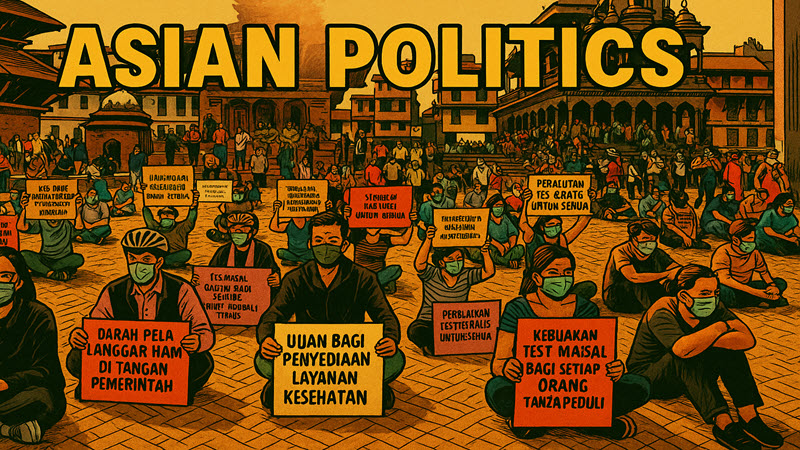
IndonesiaDemocratic TransitionElectoral CompetitionDistrict-Level DataEthnic DivisionCivil ConflictAsian PoliticsBJPS2 Stata files3 datasetsDataverse

New democracies often face ethnic violence, but conventional explanations focus on established democracies. This study uses district-level data from Indonesia (1990-2005) to show that ethnic riots occur where elections are uncompetitive and districts are ethnically divided.

Findings: Riot likelihood peaks after the first democratic election if it's uncompetitive, then drops when competition increases or opposition wins.

Mechanism: Uncompetitive elections send a signal of entrenched power and local exclusion.

Why It Matters: This highlights how political transition dynamics differ from those in mature democracies, offering insights into managing ethnic tensions during democratic change. Key takeaways include:
* Riot occurrence tied to uncompetitiveness in Indonesia's first elections.

* Low electoral competition as a primary trigger for interethnic violence.

* Increased competition reduces riot incidence significantly.

Article Card
Political Competition and Ethnic Riots in New Democracies: A Lesson from Indonesia was authored by Risa Toha. It was published by Cambridge in BJPS in 2017.
Find on Google Scholar
Find on JSTOR
Find on CUP
British Journal of Political Science
data