
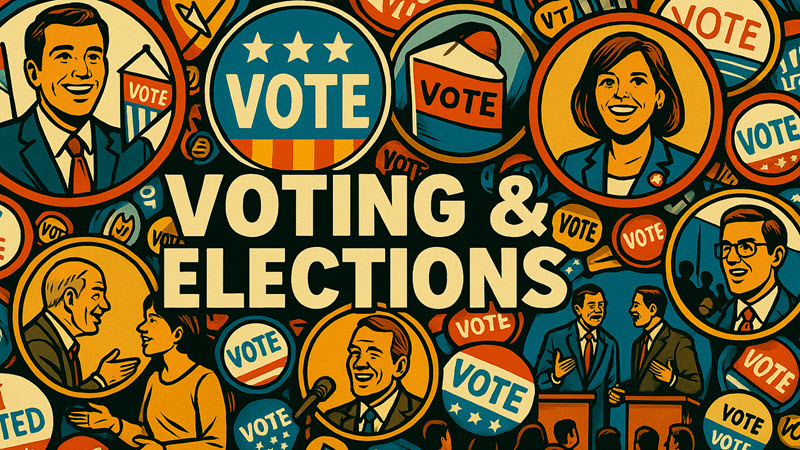
You've heard the term 'fake news,' but did you know which political messages are more likely to make it into newspapers?
This study explores why some party communications get media coverage while others don't. Analyzing over 8,000 press releases and thousands of newspaper articles shows that parties whose messages align with ongoing media concerns or resonate with other political actors receive the most attention.
Specifically:
The findings confirm key theories about how news agendas are formed and controlled, suggesting that media coverage is influenced more by external concerns than novelty. While rational choice models predicted these results, the study underscores important implications for political representation.
| Who Gets Into the Papers? Party Campaign Messages and the Media was authored by Thomas Meyer, Martin Haselmayer and Markus Wagner. It was published by Cambridge in BJPS in 2020. |


