
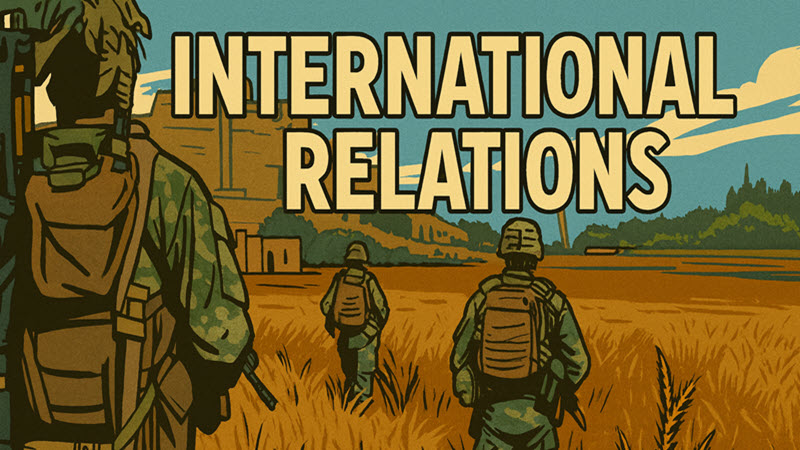
Does the threat of third-party punishment reduce intentional civilian casualties in war? This study argues that combatants anticipate sanctions when their alliances and trade networks are dominated by nations enforcing international treaties prohibiting civilian targeting. Data from all interstate wars (1900–2003) show fewer civilian deaths occur as ratifier strength increases within these networks.
Key Insight: Sanctions deter violence against non-combatants.
Findings: Higher expected sanctions correlate strongly with reduced civilian targeting by combatants.
This reveals crucial insights about how international norms and institutional pressures influence state behavior during war. By quantifying the impact of third-party actors, this research demonstrates that strategic calculations regarding global enforcement mechanisms can significantly improve civilian protection outcomes.
| Third Party Actors and the Intentional Targeting of Civilians in War was authored by Benjamin Appel and Alyssa Prorok. It was published by Cambridge in BJPS in 2019. |


