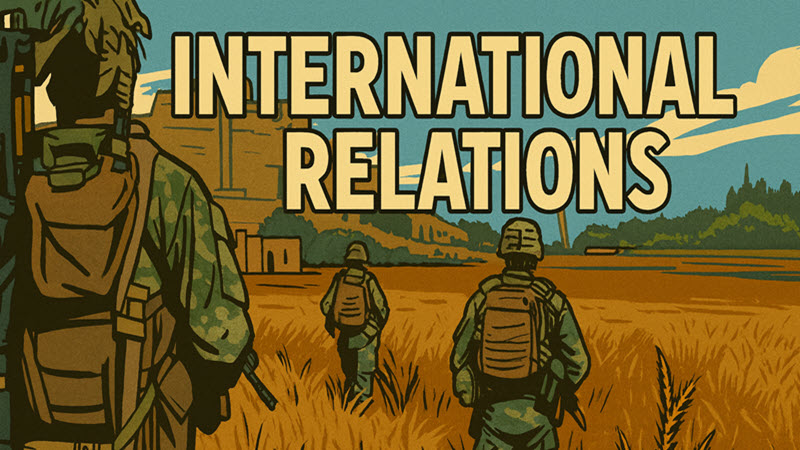
🛩️ What This Study Asks
The prominence of air power as a foreign policy tool is clear, but how does the physical act of dropping munitions translate into diplomatic bargaining outcomes? The 1999 NATO bombing campaign over Kosovo is used to link the military process of air strikes to the diplomatic negotiations between the attacker and the adversary, asking why 78 days of bombing were necessary to produce concessions from Milošević.
🔎 How the Case Is Used to Isolate Air Power
The Kosovo campaign provides a setting to isolate the influence of air power on interstate bargaining. The analysis compares expectations from two frameworks:
The study evaluates observed Serbian government behavior against the contrasting predictions of these models.
📊 What Was Measured
Key observable factors examined as predictors of Serbian behavior include:
These variables are assessed in relation to concessions and shifts in the adversary's stance during the Kosovo crisis.
📈 Key Findings
❗ Why It Matters
The findings clarify the link between the military mechanics of air campaigns and the diplomatic bargaining process they are meant to influence. This sheds light on when and how air power can function as an effective tool of coercive diplomacy and informs debates about the design and expected effects of air campaigns in international crises.
| Bombing to Bargain? The Air War for Kosovo was authored by Susan Allen and Tiffiny Vincent. It was published by Oxford in FPA in 2011. |