
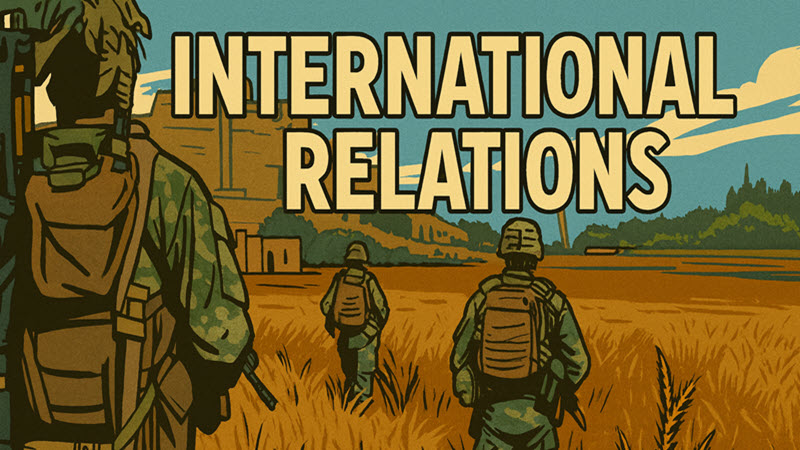
This paper examines how democratic political institutions influence state relations, particularly regarding war outcomes. We test competing theories about whether democracy increases effectiveness in warfare (leading to more wins regardless of who starts the conflict) or restricts leaders due to domestic vulnerability (suggesting only initiator democracies benefit). Analyzing all interstate wars from 1816-1982 using a multivariate probit model, we find both types of belligerents—initiators and targets—are significantly more likely to win. Importantly, this finding challenges conventional wisdom that democracy primarily makes initiators riskier.
Our results also confirm several factors matter:
Data & Methods: We employed a multivariate probit model analyzing all interstate wars from 1816-1982.
Key Findings: Democratic war initiators are significantly more likely to win.
Interestingly, democratic targets show the same advantage in winning as well. This dual effect contradicts some prominent theories which predicted only initiator democracies would be victorious.
This outcome suggests that democracy's influence on military effectiveness and political decision-making is stronger than previously acknowledged regarding defensive postures too.
| Democracy, War Initiation, and Victory was authored by Allan Stam III and Dan Reiter. It was published by Cambridge in APSR in 1998. |


