

The criminal justice system’s most fundamental promise is that innocent people will not be punished. Yet decades of exoneration data show that innocent people are convicted, imprisoned, and sometimes sentenced […]
Category: Criminal justice
Bringing Statistical Rigor to Appellate Standards: A Framework for Judicial Clarity
The American appellate system faces a persistent problem that undermines the rule of law: the widespread confusion over which standards of review apply in different circumstances and how to implement […]
Do Appellate Courts Actually Correct Errors?
The conventional wisdom about appellate courts is straightforward: they exist to correct errors made by trial courts. This textbook description portrays appellate courts as institutional safeguards, carefully reviewing lower court […]
Justice Scalia’s Strategic Voting in Arizona v. Fulminante
Understanding how Supreme Court justices make decisions has long fascinated political scientists. While many analyses focus on the attitudinal model—the idea that justices simply vote for their preferred policy outcomes […]
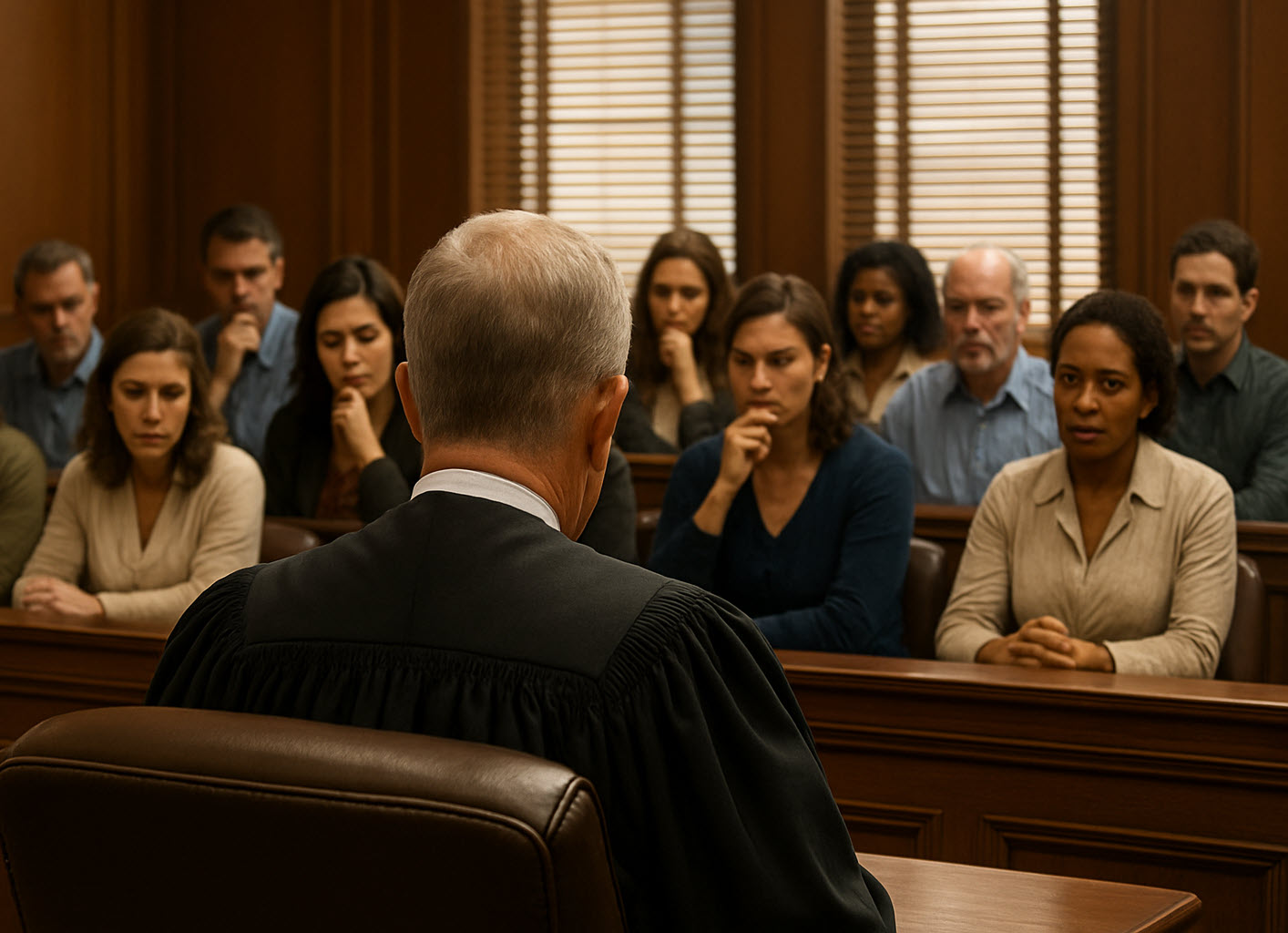
Do Judges and Juries See Cases Differently? Rethinking the Severity Gap
A well-documented finding in legal research is that judges tend to render more severe verdicts than juries do when deciding the same cases. The table below compiles the results of […]

Cases that Illustrate Felony-Murder Rule
Teaching a class on judicial process and politics, I located some interesting cases to illustrate the felony-murder rule. I think it’s an interesting legal doctrine and students were surprised to […]

Requiring that States Pay Jurors at Least Minimum Wage for Serving on Juries
Jury service is a cornerstone of the American justice system, yet jurors in many states receive woefully inadequate compensation for their time and effort. Across the United States, the rates […]
Now Dumber for Reading Supreme Court Opinions
When I read a Supreme Court opinion like Brown v. Davenport decision, 142 S. Ct. 1510 (2022), I can’t help but think of this line from Billy Madison. I know […]
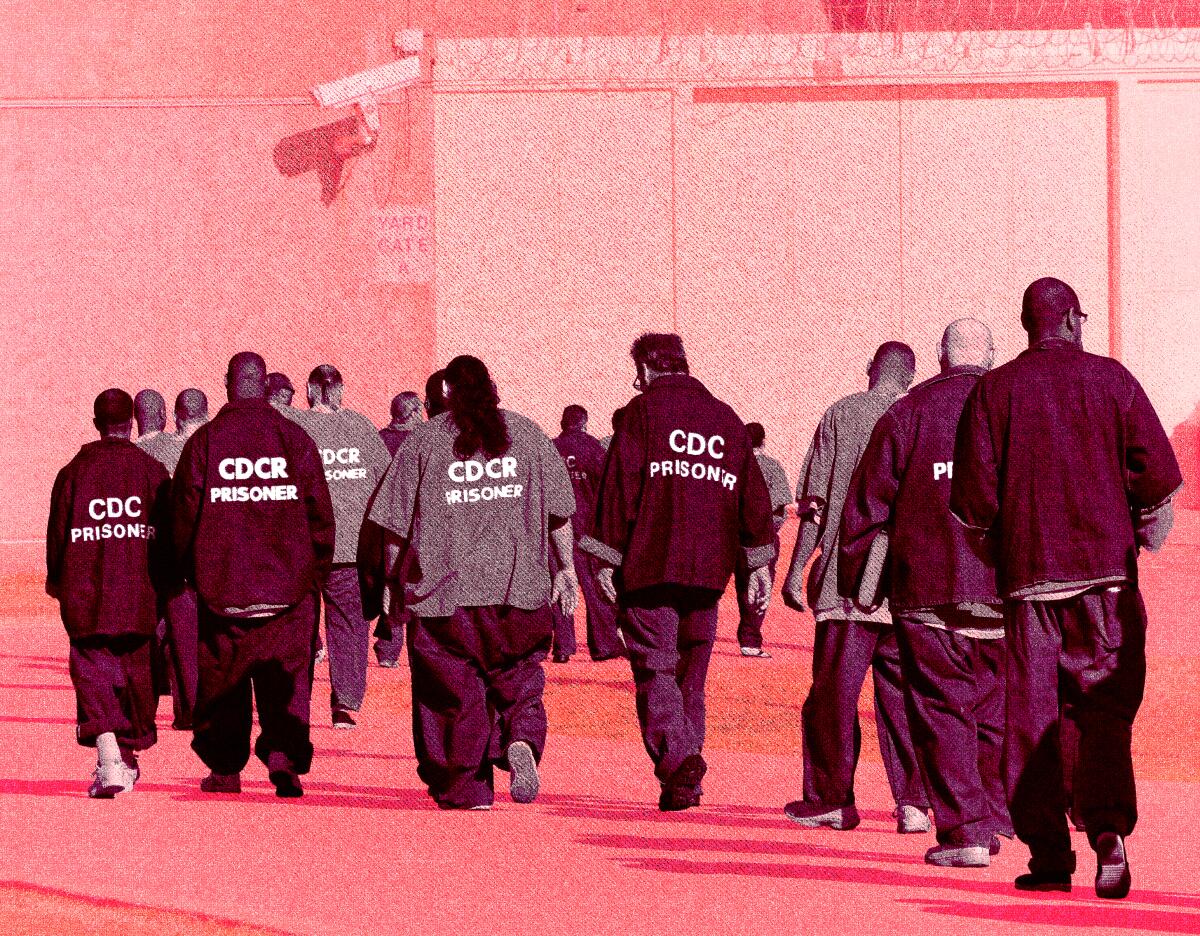
Racial Segregation in American Prisons: How Widespread?
Racial segregation seems to be standard practice in prison. Prisoners are assigned to cells or cell block based on their race. Separating prisoners by race is deemed necessary for safety, […]
Leveraging Television for Inmate Education: A Simple Solution for Expanding Educational Opportunities in Prisons
Within the confines of correctional facilities, inmates often find themselves with ample free time, and televisions are a common fixture in prison common areas. This “captive audience” presents an opportunity […]